Dubai · 8 min read
Dubai Branded Residences: Why Global Investors Use Them for Yield and Residency Strategy
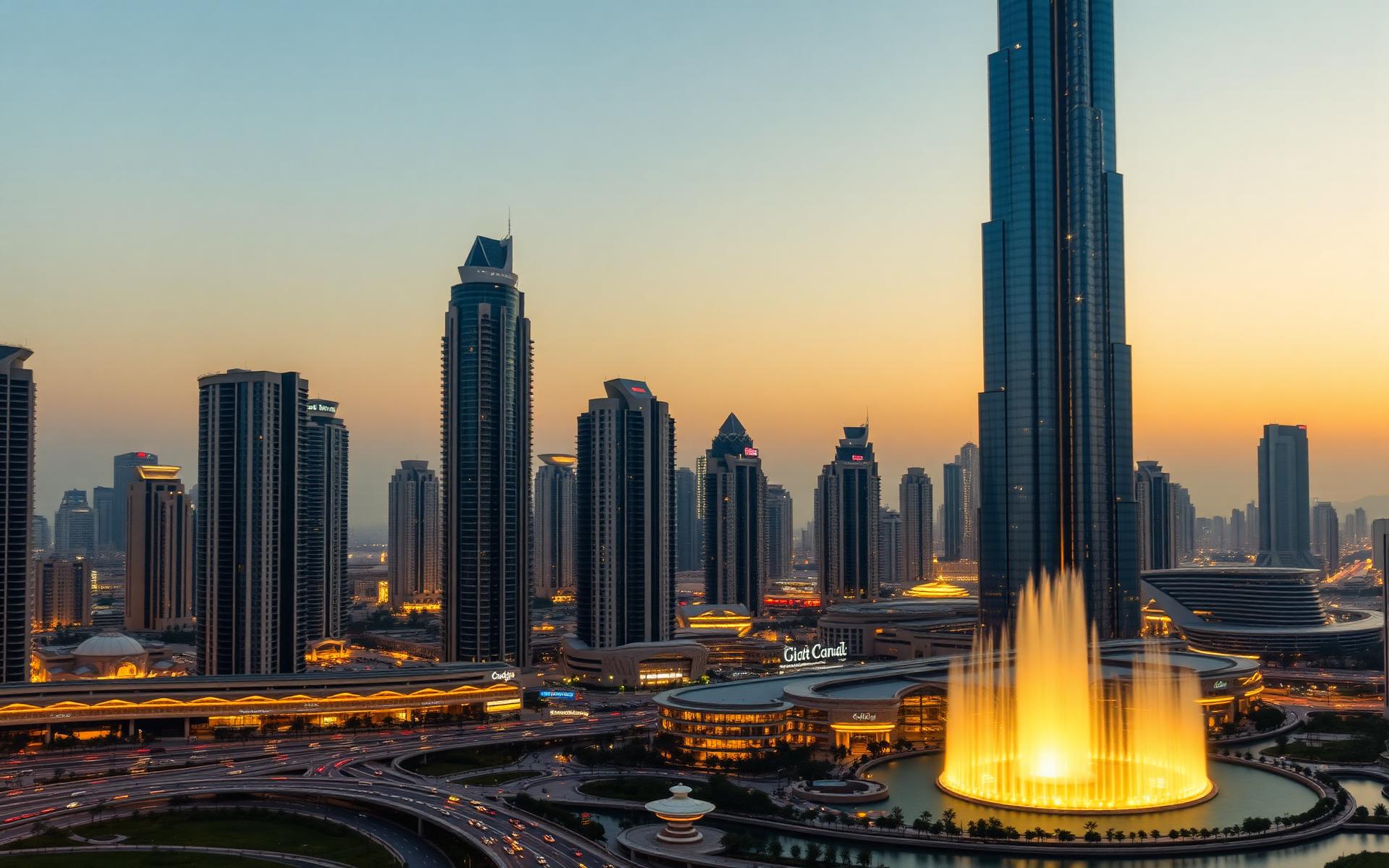
How Dubai branded residences underwrite in 2026 — operator economics, Golden Visa integration, freehold zone concentration and what to verify before signing.
Dubai's branded residence market has moved from novelty to structural asset class. In 2026, roughly 34% of Dubai's ultra-prime new-supply pipeline is branded, up from under 12% in 2019. For global investors, the branded residence combines three things Dubai already offers uniquely — 100% freehold, zero personal income tax on rental income, and 10-year Golden Visa on qualifying tickets — with an operator-managed layer that removes operational surface from the owner.
What a Dubai branded residence actually is
A branded residence is a residential unit bundled with the service standards, distribution channels and operational infrastructure of a hospitality or lifestyle brand — Bulgari, Armani, Baccarat, Six Senses, Aman, Waldorf, Bugatti, Missoni. The owner holds full freehold title (DLD-registered), pays a premium versus non-branded comparables (typically 25–45%), and in return accesses a curated operator layer that both drives ADR on rental and preserves resale liquidity.
Yield economics in 2026
Dubai branded residences under a rental programme currently underwrite 6–9% net per annum in Downtown and Palm Jumeirah, and 8–11% net in Business Bay and JVC where entry pricing is lower. Gross yields are higher — 9–13% — with operator fees, service charges and OTA distribution accounting for the gross-to-net compression.
The critical variable is whether the branded operator runs a formal rental programme (Baccarat, Bulgari, Aman, Six Senses do) or simply lends the brand to the building (some Armani, Missoni). Only the former captures the ADR premium in rental yield.
Golden Visa integration
A property ticket above approximately AED 2m (≈ USD 545k) qualifies for a 10-year renewable Golden Visa. Branded residences at this ticket size are increasingly the vehicle of choice — they cover the residency threshold, deliver operator-managed yield, and provide a leisure-usable asset. The property must be held in personal name to qualify.
Freehold zone concentration
Branded residences concentrate in specific Dubai freehold zones: Downtown Dubai, Palm Jumeirah, Business Bay, Dubai Marina, JVC, Dubai Hills Estate and DIFC. Title outside these zones may exist but does not extend the same freehold guarantees to foreign holders. Buyers should verify the master-plan classification of the parcel before signing.
Underwriting an off-plan branded residence
Most 2026 branded launches are off-plan with 2–4 year build periods. The pre-launch structure typically requires 20–40% payment during construction and the balance on handover. Investors should verify: (1) developer's DLD Oqood registration certificate, (2) RERA escrow account compliance, (3) operator HMA in force and dated, (4) construction linkage schedule between payment tranches and RERA-audited milestones, and (5) delivery penalty clauses.
Exit and resale liquidity
Dubai's branded residence secondary market is deep and transparent. Resale typically transacts at DLD-registered pricing with 4% transfer duty. A globally distributed five-star flag (Bulgari, Baccarat, Waldorf, Aman) supports faster resale than a lesser-known independent. Resale liquidity concentrates in the 12–36 month post-handover window.
Due diligence
Dubai branded residence due-diligence checklist
- ◆DLD Oqood registration certificate (for off-plan) or DLD title deed (for standing units).
- ◆RERA-compliant developer escrow account confirmed.
- ◆Operator HMA in force and dated before financial close.
- ◆Rental programme scope — verify whether operator runs a formal rental pool, not just licenses the brand.
- ◆Master-plan classification of the parcel confirmed as a Dubai freehold zone.
- ◆Service charge schedule reviewed for the first 5 years post-handover.
- ◆For Golden Visa qualification, title must be held in personal name.
Further reading
Information is provided for informational purposes only and does not constitute financial, legal or tax advice. Projected returns are not guaranteed.
Frequently asked questions
Frequently asked questions
- Do Dubai branded residences qualify for the Golden Visa?
- Yes, provided the ticket size is above AED 2m (≈ USD 545k) and the title is held in personal name. The Golden Visa grants 10-year renewable residency for the primary buyer, spouse, dependents and eligible domestic staff.
- What net yield can I expect on a Dubai branded residence in 2026?
- Downtown and Palm Jumeirah branded residences typically underwrite 6–9% net per annum. Business Bay and JVC comparables run 8–11% net due to lower entry pricing. Yield is materially higher when the operator runs a formal rental programme, not just brand licensing.
- How much premium does a branded residence carry versus a non-branded unit?
- Typical branded premium is 25–45% versus comparable non-branded inventory in the same freehold zone. The premium reflects operator distribution, service standards and resale liquidity — and is generally justified when the operator runs an active rental programme.
- What is the minimum entry ticket for a Dubai branded residence in 2026?
- Realistic entry to a well-operated branded residence starts around USD 550k in JVC and Business Bay, USD 850k in Marina, USD 1.2m in Downtown, and USD 2m+ on Palm Jumeirah.
Private advisory
Request the Bali villa shortlist and investment memo
Get a curated selection of Bali villas, operator assumptions and the transaction memo for qualified investors.
Related articles