Thailand
Thailand Property Investment: Phuket, Koh Samui & Bangkok Frame for 2026
Thailand's investment property market is split across three structurally different sub-markets — Phuket (hospitality-driven), Koh Samui (smaller, scarcity-driven) and Bangkok (yield + currency-driven). Each demands a different underwriting lens.
Why Thailand in 2026
Tourism arrivals are back above 35 million, branded operators continue to expand on the islands, and Bangkok's branded-residence pipeline is among the most active in Asia. For investors who want operator-backed cash flow in a mid-cost jurisdiction with strong international air access, Thailand remains one of the most usable hospitality markets in the region.
Who Thailand is for
- — Investors with $300K–$3M seeking hospitality-managed cash flow on the islands.
- — Bangkok-focused buyers seeking USD-denominated yield exposure (5–7%).
- — Buyers comfortable with leasehold for beachfront villas, freehold for condos.
- — Holding-period flexibility 5–10 years with two clear exit channels (foreign buyer or local-currency buyer).
Asset types
Phuket branded pool villas
2–4 bedroom operator-managed villas; 7–12% net stabilised yields in well-located projects.
Koh Samui hillside / beachfront villas
Smaller inventory base, scarcity-driven, longer ramp but stronger long-term capital appreciation.
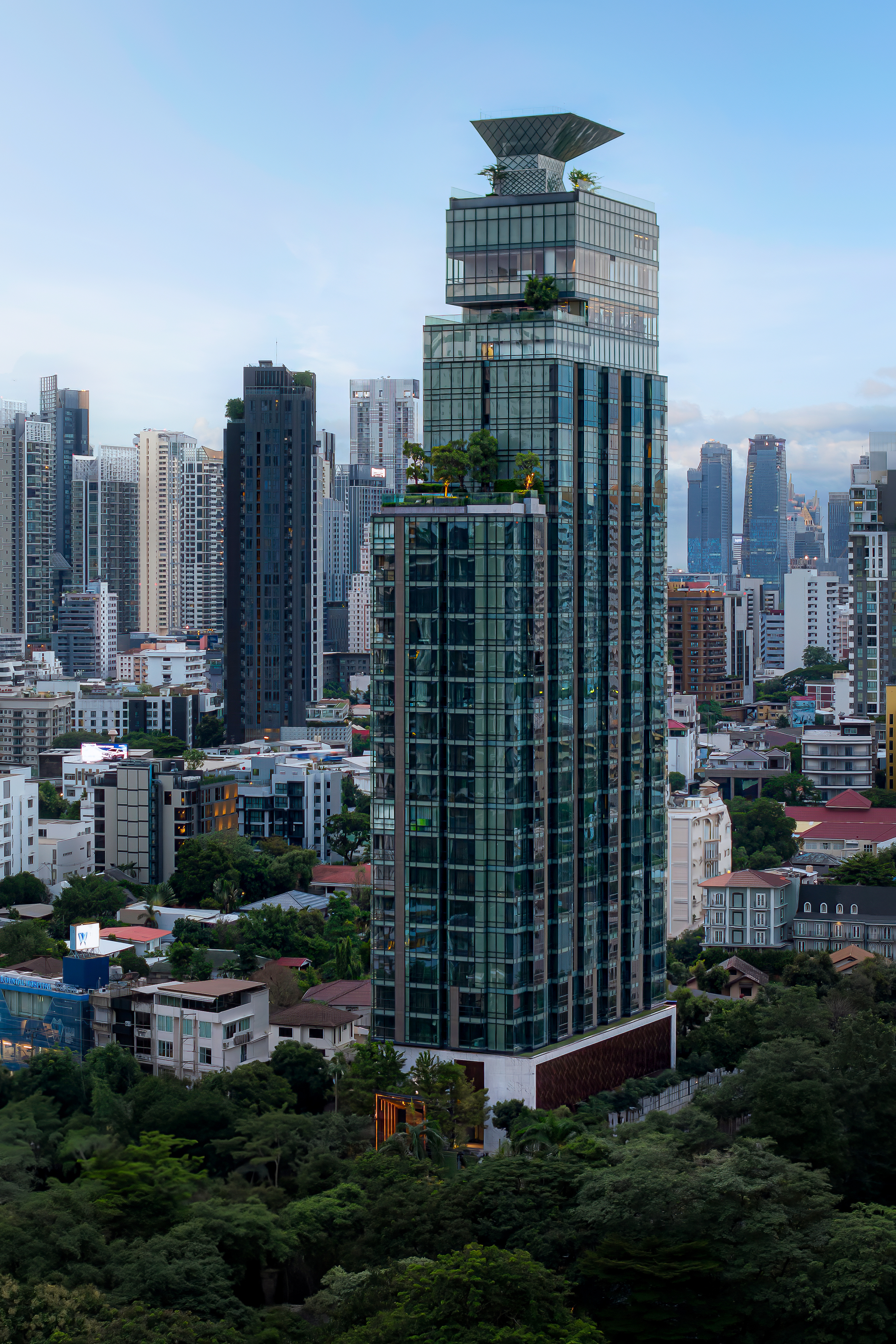
Bangkok branded condos
Foreign-freehold condos in Sukhumvit, Sathorn, Chidlom — 5–7% net stabilised, strong currency hedge against THB.
Legal structures
Foreigners can freehold-own up to 49% of a condo building's total area. Land is foreign-restricted — villas typically structured via long-dated leasehold (30+30+30) or via a Thai company with the foreign investor as minority equity plus protective rights, carefully drafted. CROWNHAVEN requires independent Thai counsel on every transaction.
Realistic return model
CROWNHAVEN underwrites by sub-market:
- — Phuket villa stabilised net yield: 7–12%.
- — Koh Samui villa stabilised net yield: 6–10%.
- — Bangkok condo stabilised net yield: 5–7%.
- — ADR ramp: −15% Year 1 vs operator pro-forma; +5–8% p.a. thereafter.
- — OPEX: 30–38% gross.
Main risks
- — FX (THB) — material to foreign-currency total return.
- — Land-structure quality on villa projects; bad legal structuring is the single largest risk.
- — Phuket pipeline growth in lower-end villa segments.
- — Political and tourism-policy volatility.
- — Operator quality on island assets.
How CROWNHAVEN screens Thailand
- — Land-structure legal review (independent Thai counsel).
- — Operator track record on at least one comparable Thai asset.
- — Stress test ADR, occupancy and OPEX.
- — Exit liquidity by sub-market.
- — Currency strategy explicit in the underwriting.
FAQ
- Can foreigners own property in Thailand?
- Foreigners can freehold-own up to 49% of a condo building's total area. Land is restricted, so villas are typically structured via long-dated leasehold or carefully drafted Thai company structures.
- What yield is realistic?
- 7–12% net on Phuket pool villas, 6–10% on Koh Samui, 5–7% on Bangkok condos — at stabilisation, after OPEX and operator fees.
- Is the Thai Elite visa worth it for investors?
- It's a residency tool, not a yield tool. Useful if you intend to spend significant time in Thailand or want a flexible base — independent of any specific property purchase.
Considering Thailand?
Send us your target ticket and sub-market preference. We respond within one business day with a curated shortlist.
Request Private Shortlist